AI assists first live brain tumour removal in London
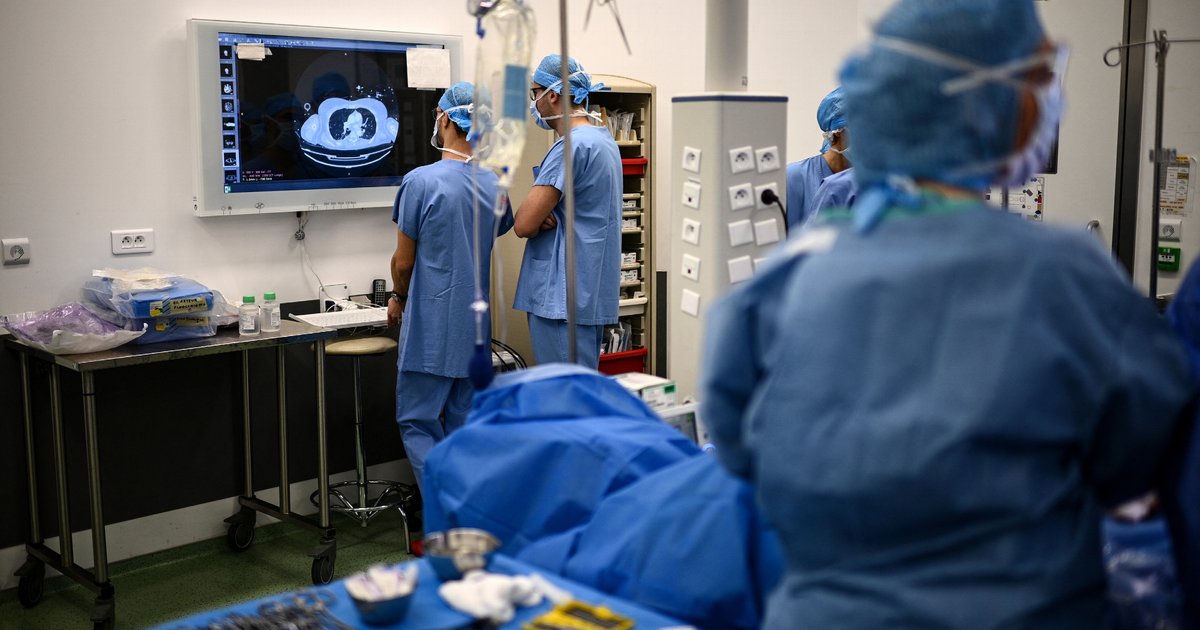
Surgeons in London have removed a brain tumour while an artificial-intelligence system analysed the operation’s live camera feed. The procedure took place in May at the National Hospital for Neurology and Neurosurgery, part of University College London Hospitals (UCLH), but the result was announced publicly in late August after the patient had recovered. EenVandaag reported the case on August 28, 2026, and UCL and UCLH published their own accounts on August 26 and 27.
The patient was 48-year-old Rhys Hibbert from Bedfordshire. His tumour was located on the pituitary gland near structures involved in vision. According to UCLH, the operation successfully removed the tumour and protected his sight. The procedure was performed through the nose with an endoscope, allowing the surgical team to work through a narrow route at the base of the brain.
The AI did not control the instruments or make the final decisions. It processed the live surgical video in real time and highlighted critical anatomy, including blood vessels and nerves that the surgeons needed to recognise and avoid. Researchers had trained and evaluated the system using hundreds of earlier pituitary-tumour surgery videos. The clinical use formed part of a trial using technology developed at UCL and funded by the National Institute for Health and Care Research.
That distinction matters. Calling this an AI operation can suggest that a machine performed surgery autonomously, while the reported setup was closer to an additional visual aid for a human specialist. Jelmer Wolterink of the University of Twente told EenVandaag that AI can act as an extra pair of eyes, but also warned that a surgeon must not follow an algorithm blindly. The surgeon remains responsible for the decision made in the operating room.
For healthcare organisations, the milestone shows where medical AI may become useful: not only in pre-operative scans and planning, but also in carefully bounded, real-time assistance. It does not yet show that live AI guidance is ready for routine deployment. Hospitals will need evidence from more patients, independent evaluation, robust technical support, clear consent and strong safeguards for errors. For AI makers, the case is a reminder that performance in a laboratory is only one step; safe integration into a high-stakes human workflow is the harder test.