AI leaders and politicians split over slowing frontier development
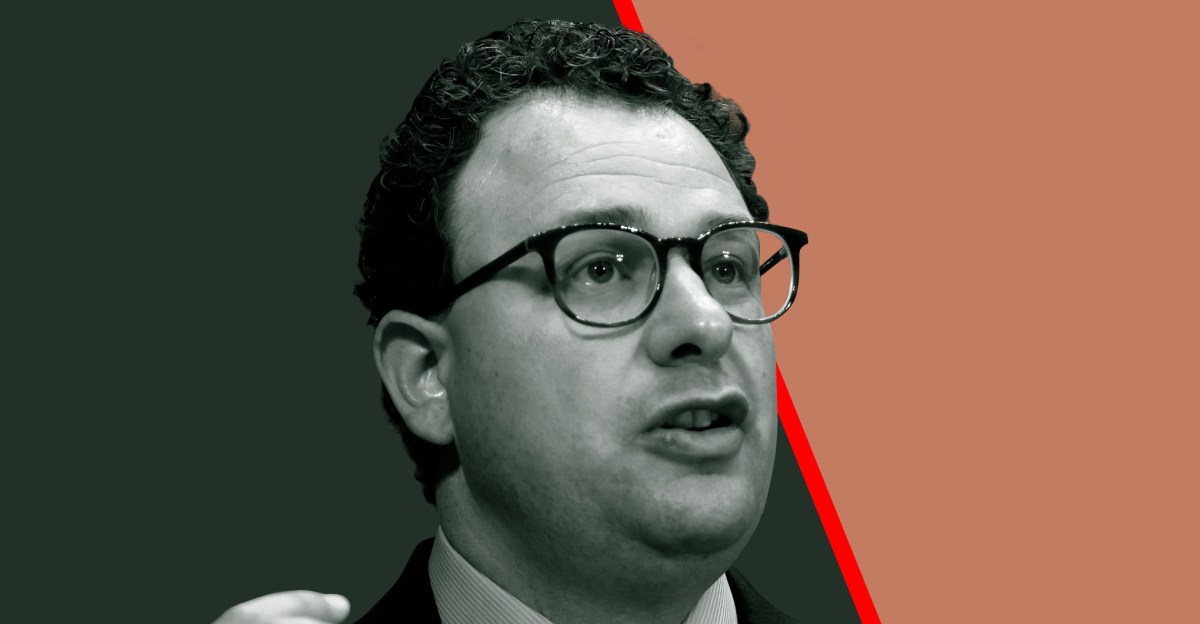
The debate over how quickly frontier artificial intelligence should advance intensified this week after Anthropic CEO Dario Amodei called for a slower, more coordinated approach. In an essay titled “We Must Pace the Frontier,” Amodei proposed three measures: independent third-party evaluators embedded with AI companies, coordination among frontier labs in democratic countries, and international cooperation between democratic and authoritarian governments where possible. Anthropic said it was unilaterally committing to the first step.
Amodei’s proposal does not call for stopping model training or technical progress. His argument is that companies should take enough time to align and safeguard powerful systems, while outside evaluators verify that safety commitments are being followed. That distinction became central to the responses that The Verge collected.
OpenAI CEO Sam Altman said he agreed that the frontier should be paced and supported independent evaluators. He also backed a federal framework with consistent safety requirements, while stressing that pacing means progress should be slower than it otherwise could be, not that it should end. Google DeepMind co-founder Demis Hassabis called Amodei’s direction correct, and Elon Musk replied that Amodei was right.
Several political figures pushed back. President Donald Trump argued that the United States should not slow down because China is competing for leadership. Vice President JD Vance questioned why AI companies were asking government to regulate them, while House Speaker Mike Johnson said a moratorium would risk allowing China to overtake the United States. Other voices, including former Transportation Secretary Pete Buttigieg, former FTC chair Lina Khan, former Vice President Kamala Harris and Senator Bernie Sanders, supported stronger safeguards or a slower pace.
The disagreement matters because “safety” and “competition” are becoming linked policy choices rather than separate debates. For users and companies, the outcome could affect model release schedules, independent testing, reporting duties and access to high-risk capabilities. For makers, the practical test is whether broad principles become measurable evaluations and enforceable limits. The Verge’s overview shows a political argument still in formation, not a settled agreement or a new binding rule.