Anthropic previews Model Hardware Standard for physical AI
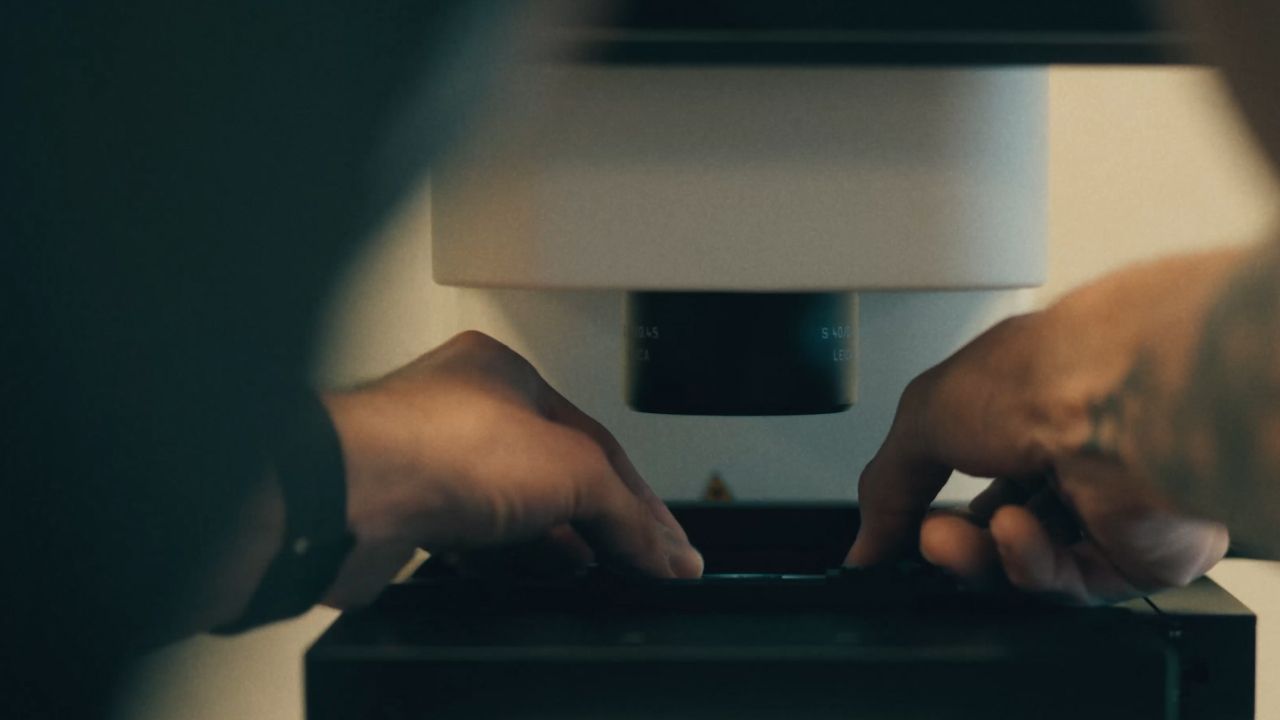
Anthropic has opened a research preview of the Model Hardware Standard, or MHS, a shared specification for AI agents to operate programmable equipment in laboratories and advanced manufacturing. The announcement was published on August 27, 2026. Anthropic developed the project with HHMI Janelia Research Campus and is initially giving selected research and industry partners access before a planned open-source release.
MHS aims to replace bespoke links between every agent and instrument with a standard driver. Devices expose simple read and write operations, describe their capabilities and physical limits, and become discoverable across a network. An agent can then control them through the Model Context Protocol, a command-line interface or code APIs. The standard is model-agnostic, according to Anthropic, so it is not restricted to Claude or one agent framework.
The research preview includes concrete tests rather than only a technical proposal. Genentech connected a liquid handler, robotic arm and plate reader for a protein assay. Carnegie Mellon researchers report that they assembled an automated dose-response workflow in roughly eight hours instead of several weeks. QuEra says a Claude agent used MHS to develop deterministic control software for a quantum computer's laser system. In 695 of 700 timed trials, that controller returned the laser to target; the figures come from the participating organisations and have not been independently reproduced.
Physical control also raises risks that do not exist when an agent only writes text. MHS lets devices declare operating bounds, interlocks and emergency stops that agents inherit. Anthropic says preview partners will help build safety evaluations and a physical-safety roadmap before the code becomes open source. The company also documents limitations: Claude needed human guidance when bubbles caused errors in a liquid-handling experiment because it initially lacked the relevant physical intuition.
For scientists and manufacturers, the potential value is faster integration of equipment from different vendors and less specialist time spent monitoring repetitive workflows. For AI developers, MHS is another sign that agent standards are moving beyond software tools into the physical world. It remains an early, access-controlled preview, not a generally available production standard. Reliability, cybersecurity, liability and human oversight will need to be tested for each environment, especially where equipment can damage samples, machinery or people.