Apple Intelligence clears China’s regulatory hurdle
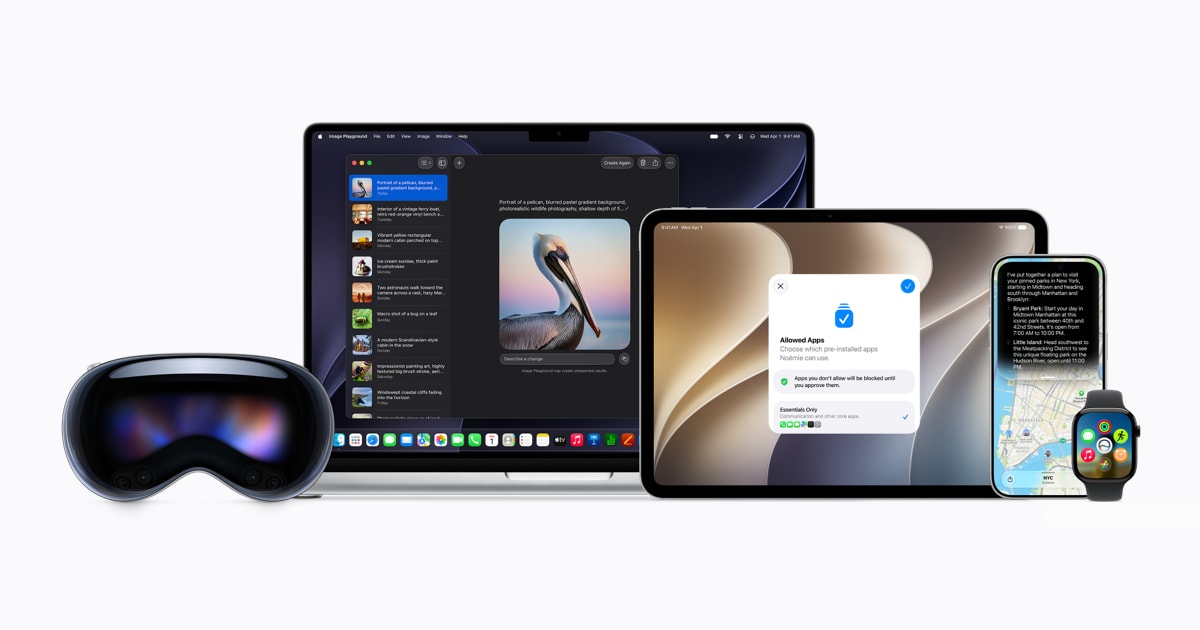
China’s cyberspace regulator has registered Apple Intelligence for use on iPhones in the country, removing a barrier that kept Apple’s generative AI features out of mainland China. The registration was disclosed on July 15. It does not make the service available immediately, but gives Apple the approval needed to move toward a local rollout.
China requires large language models and generative AI services to be registered before they can be offered to the public. Reuters reported that Apple Intelligence will incorporate technology from two Chinese AI companies. Alibaba said its Qwen model will be integrated across Apple’s iOS, iPadOS, macOS and visionOS experiences in China. A Baidu spokesperson also confirmed that the company is working with Apple on features for Chinese iPhone users.
The arrangement shows how global AI products are increasingly being rebuilt for national markets. Apple cannot simply copy the version of Apple Intelligence offered elsewhere. It must meet Chinese rules and depend on locally approved models and partners. That creates a distinct technical and governance stack, with different providers handling parts of the intelligence layer.
For users in China, the registration is the clearest sign yet that Apple Intelligence may finally become available after a long delay. It could bring writing, image and assistant features closer to the experience offered on Apple devices in other regions. However, the regulator’s statement did not provide a launch date, and Apple had not announced a timetable when Reuters published its report. Availability, supported devices and the exact division of work between Apple, Alibaba and Baidu therefore remain open questions.
For developers and businesses, the decision underlines that AI distribution now depends on regulation as much as model quality. A product designed for global operating systems may still require local models, data arrangements, compliance processes and testing. Companies building AI features across borders will need to plan for several regional versions rather than one universal service.
The market impact is also meaningful. China is a strategically important smartphone market for Apple, and the company reported that its shipments there rose 24.4 percent year on year in the second quarter. Adding AI features could strengthen that recovery while giving Alibaba and Baidu a high-profile route onto Apple devices. This is regulatory news, not a product launch, but it opens an important new market for Apple Intelligence.