Artificial trailer brings OpenAI’s power struggle to the big screen
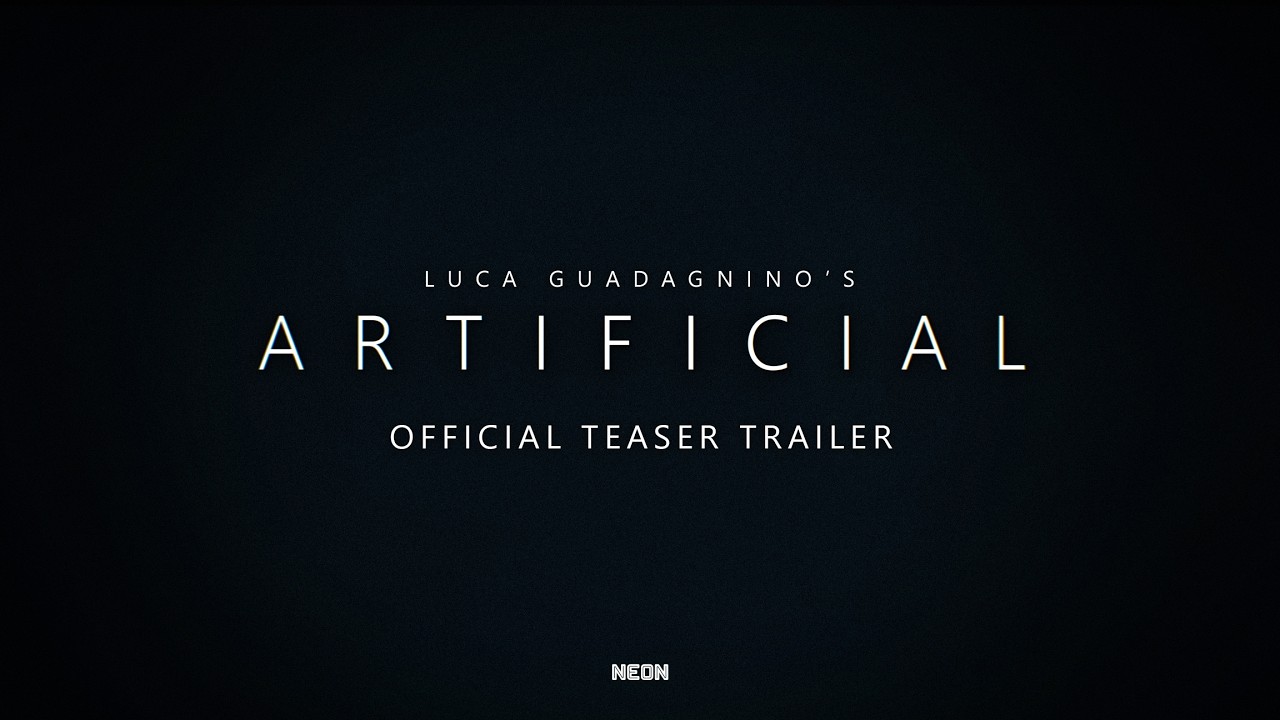
NEON has released the first teaser for Artificial, a feature film about OpenAI, Sam Altman and the people around the company that helped bring ChatGPT into public life. The trailer identifies Luca Guadagnino as director and shows Andrew Garfield playing Altman. It also confirms a theatrical release in select cinemas on Christmas Day, with the film’s festival run preceding that release.
The teaser is brief, but its framing is clear. Garfield’s Altman appears in a remote, imposing setting before entering a bunker-like room filled with weapons. A voice-over describes ChatGPT as opening Pandora’s box and presents the future of artificial intelligence as a force that could reshape countries and industries. Those lines are part of a scripted film, not statements that establish what OpenAI or Altman actually did.
Artificial dramatises the leadership crisis that briefly removed Altman as OpenAI chief executive in November 2023 before he returned days later. The film’s reported cast includes Yura Borisov as OpenAI co-founder Ilya Sutskever, Monica Barbaro as former executive Mira Murati, Ike Barinholtz as Elon Musk and Mark Rylance as AI researcher Geoffrey Hinton. Simon Rich wrote the screenplay. These casting and story details come from the film’s publicity and contemporaneous reporting; the finished film may interpret real events rather than reproduce them literally.
The release itself has become part of the technology story. Amazon MGM originally backed the project, then dropped it in June 2026. NEON acquired the film shortly afterwards, following Amazon’s announcement of a major OpenAI investment and partnership. The timing created an obvious question about commercial relationships and editorial independence, although neither company has publicly established that the partnership caused the decision.
For AI users and makers, the teaser matters because it shows how quickly the people and institutions behind generative AI have entered mainstream culture. A film can make complex governance and power questions accessible, but it can also compress messy history into memorable characters and dramatic scenes. Viewers should therefore treat Artificial as a cultural interpretation of an unfolding technology story, not as a documentary record. Its wider significance will be tested when audiences can compare the movie’s version of OpenAI’s rise with the public evidence and with the company’s continuing impact on work, creativity and policy.