Dr. Dre uses AI as a music production tool
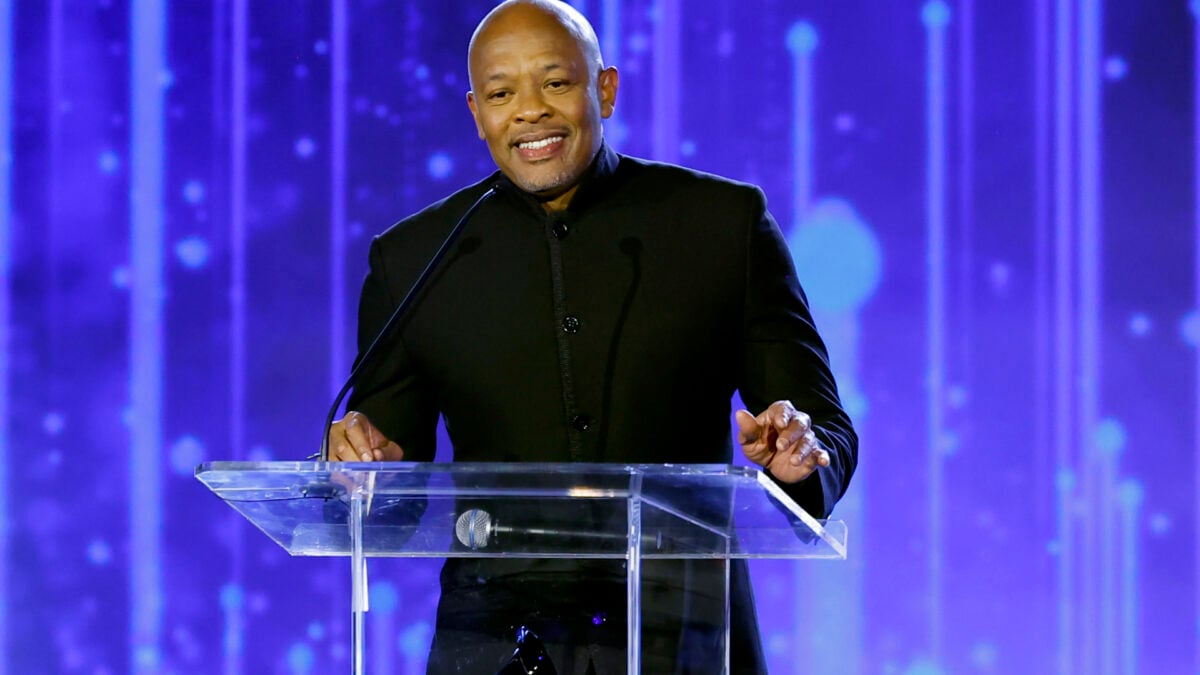
Dr. Dre says he uses artificial intelligence as part of his music-production process, describing AI as a tool rather than a threat to musicians. In an interview with The New York Times, reported by Gizmodo on August 23, the seven-time Grammy-winning producer compared resistance to AI song tools with earlier resistance to drum machines and synthesizers. He said he uses AI to see what it can do with material he has already created.
The comments came in a conversation with Jimmy Iovine, the Interscope Records co-founder and Beats collaborator. Iovine said he sees no downside to AI in the hands of gifted producers and argued that the technology could help them make better records. The discussion is notable because it places two influential music-industry figures on the side of using generative tools inside a human-led studio process, while leaving open how much of a finished song should be made by software.
Gizmodo also reports that AI music tools have become more popular over the past year. Spotify and Apple Music are expected to label AI artists on their platforms in the coming weeks, making the provenance of music more visible to listeners. Spotify is also working with Universal Music Group on a tool for AI-generated song covers. These developments point to a market that is testing both clearer disclosure and new paid features at the same time.
The debate is not only about creative taste. Critics are concerned about automation of production jobs, the use of copyrighted recordings in training or generation, and synthetic music being presented as authentic work. Supporters see AI as another instrument that can reduce time and cost, especially for experimentation. Dr. Dre’s own description fits the latter view, but it does not answer questions about consent, attribution or compensation for artists whose work may be involved.
For music makers, the practical lesson is that AI is moving from novelty toward an ordinary studio option for some established producers. That could lower barriers for arranging, sound exploration and prototyping, but it also increases the value of clear credits and labels. Platforms, rights holders and creators will have to define what counts as acceptable assistance, how listeners are informed and who gets paid. The comments show acceptance among parts of the industry, not a settled agreement about the rules.