Google Pixel 11 brings proactive Gemini to its new phone lineup
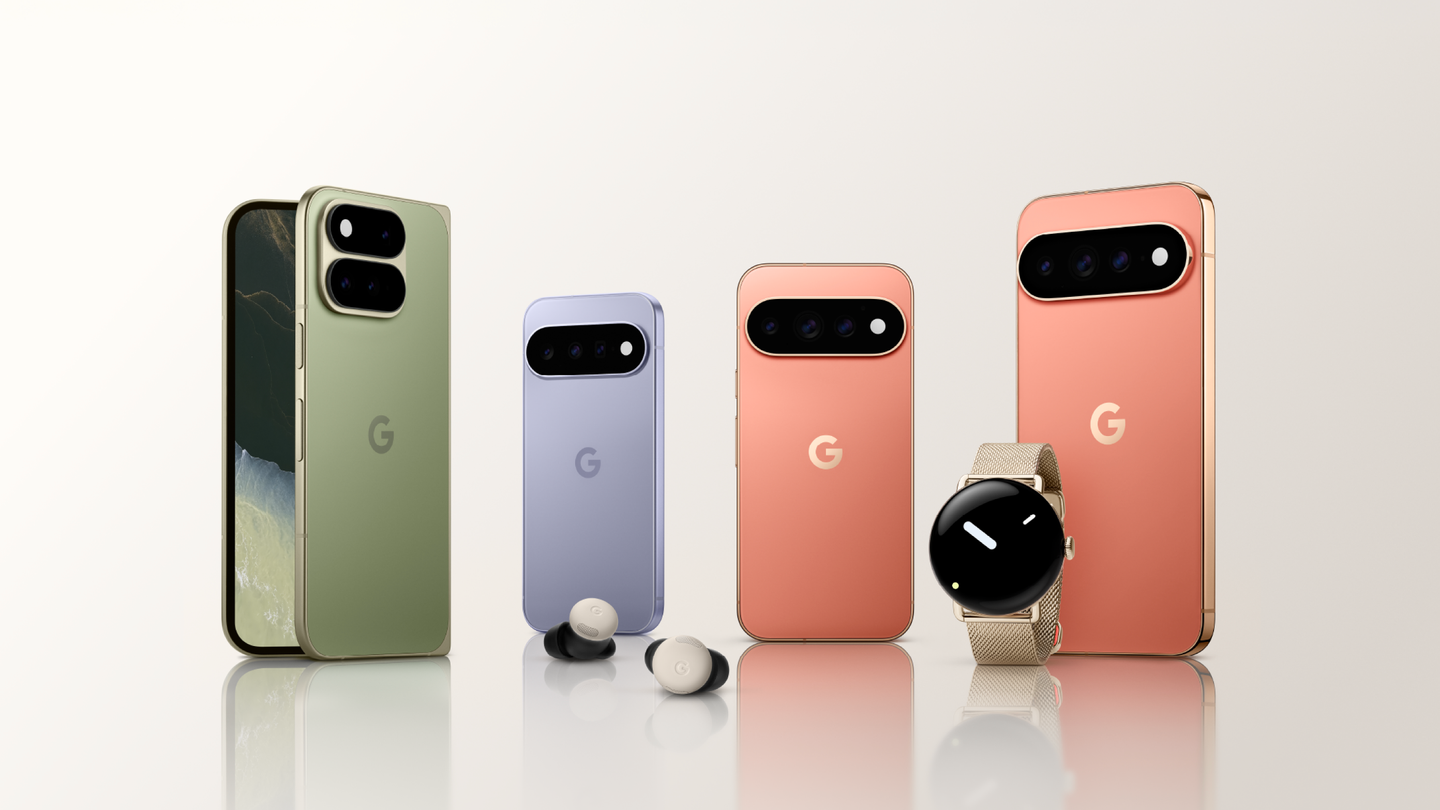
Google has introduced the Pixel 11 family with more proactive Gemini support, positioning artificial intelligence as a central part of its latest phones rather than a separate app. The company published its Made by Google 2026 collection on August 12 at 14:00 UTC. The lineup includes the Pixel 11, Pixel 11 Pro, Pixel 11 Pro XL and Pixel 11 Pro Fold, all designed around what Google calls Gemini Intelligence and powered by its new Tensor G6 chip.
Google says the phones combine upgraded cameras with assistance that is more personalized and able to anticipate useful information. The announcement does not mean Gemini can act without limits, but it does show the direction of travel: AI is moving deeper into the operating system, hardware and everyday phone interactions. Google also introduced live translation for videos, podcasts and voice messages. Camera tools include Magic Capture, which records a sequence of photos and video from one press of the shutter, while the Pro models add faster low-light capture.
The hardware launch matters beyond the smartphone market. Google controls the Gemini models, Android software, Tensor processor and Pixel device, giving it an opportunity to optimize AI across the full stack. That can reduce the delay between a model capability and a feature people can use. It also gives Google a direct route to put Gemini in front of more consumers as competition with OpenAI, Apple and other assistant providers intensifies. Buyers of the Pixel 11 Pro and Pro XL receive six months of Google AI Pro, another sign that the phone is becoming a distribution channel for paid AI services.
For users, the practical question is whether proactive assistance saves steps without becoming intrusive. More personalized help can be useful when it surfaces the right context, translates media or simplifies photography. The same integration raises questions about which data is processed on the device, which information reaches cloud services and how clearly users can control suggestions. Availability may also differ by language, region and subscription.
For developers and businesses, Pixel 11 is a signal that mobile AI experiences will increasingly depend on a combination of models, chips and operating-system access. Features that work well on Google’s own hardware may set expectations for Android apps more broadly. The announcement is therefore less about one isolated AI tool than about Google turning Gemini into a persistent layer of the personal device.