Men's Health profiles AI coach behind 15-kilo weight loss
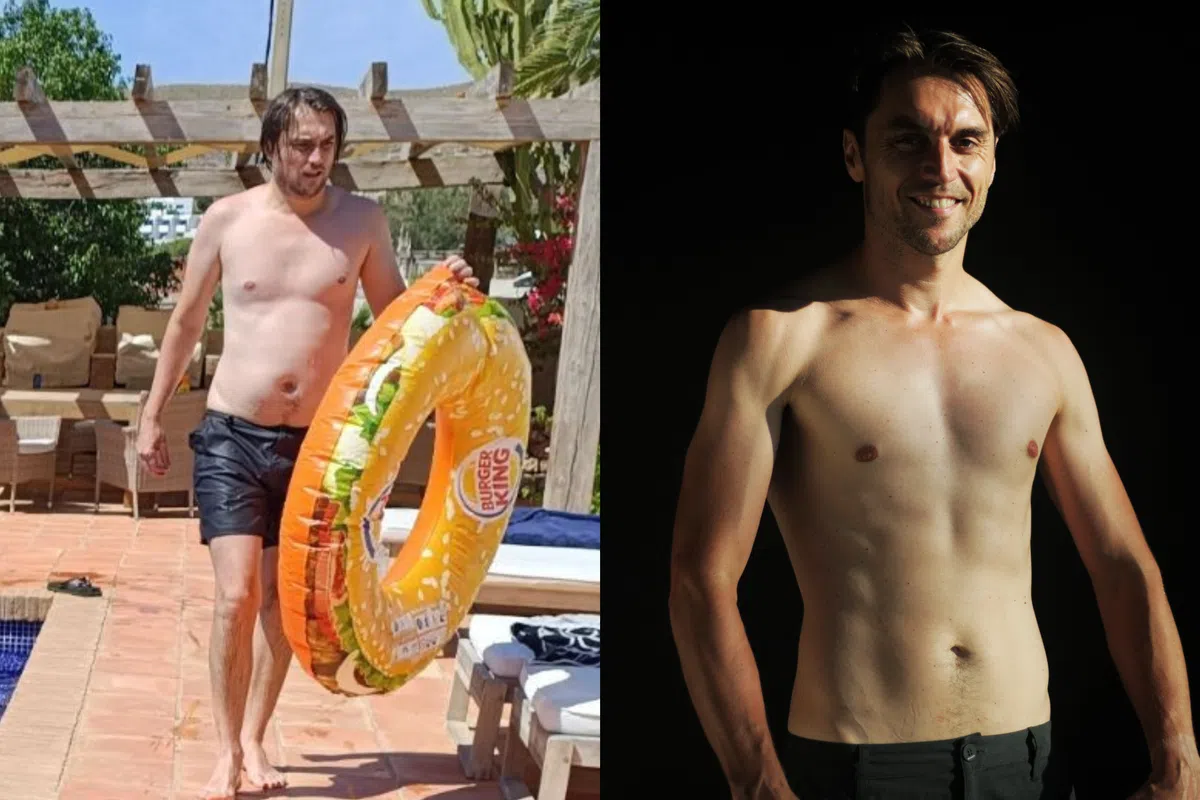
Men's Health Netherlands published a profile on August 27, 2026, about The Future founder Robbert van Empel and the AI coach he used during a 15-kilogram weight loss. The article, written by Lukas Bos and updated the same day, describes how Van Empel went from roughly 90 to 75 kilograms in about five to six months while rebuilding his fitness around short daily actions.
The starting point was not a new model or commercial fitness product. Van Empel built a personal coach around AI, using it as a journal, memory and accountability mechanism. He logged what he ate, how much he moved, how he felt and what had or had not worked. The system then helped choose a next step that matched his situation. That began with five minutes of walking, expanded to ten, and later included simple home exercises with kettlebells, dumbbells, resistance bands and bodyweight.
Men's Health reports that Van Empel now usually trains for around twenty minutes a day. When a normal session is impractical, he divides exercises into smaller moments. His weight eventually stabilised at about 74 to 75 kilograms while his strength and fitness continued to improve. The central idea is gradual adaptation: the AI did not perform the work or replace judgment, but helped keep the plan small, flexible and connected to a daily record.
The publication also links readers directly to The Future's AI Health Coach guide. That guide lets people install a similar skill in the ChatGPT desktop app or Claude Cowork and then personalise it through an initial set of questions. The coach is therefore presented as a reusable workflow rather than a fixed training schedule.
For AI users and makers, this case shows where persistent context can be useful: turning scattered observations into a continuing feedback loop. It also shows the boundary. This is one person's experience, not a clinical study or proof that AI-driven coaching will produce the same result for everyone. Health goals, exercises and dietary changes still require sensible judgment, and professional advice may be appropriate when medical risks or complaints are involved.