Meta brings Pocket AI game-making app to U.S. users
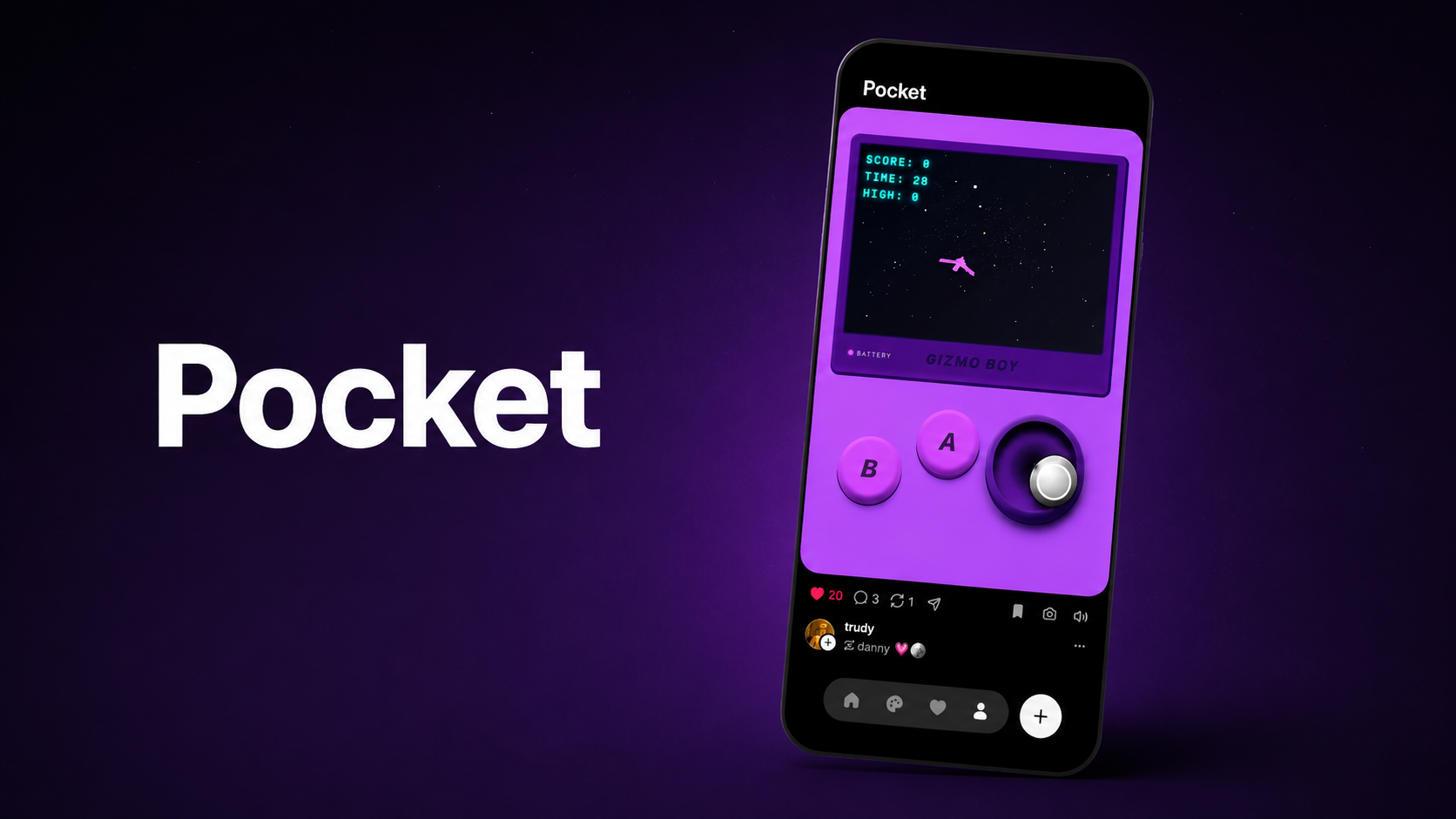
Meta is rolling out Pocket, an experimental mobile app for creating and sharing small interactive games, to users across the United States. TechCrunch reported the expansion on August 20, after Pocket had quietly launched in Brazil the previous month. The app lets people describe a game with an AI prompt and publish the result to a scrollable feed. Meta calls these interactive creations ‘gizmos’.
The experiences are designed to behave more like small mobile toys than static images or text. According to TechCrunch, they can respond to touch and to the tilt of a phone, play sound effects and include clips of a user’s favorite songs. People can also use photos from their camera roll or access the camera. Once a gizmo is made, it can be shared on a profile, saved by other users, remixed into another creation or reposted.
Pocket grew out of Meta’s acquisition of the team behind Gizmo, a vibe-coded gaming platform. That background helps explain the product’s combination of prompt-based creation and a discovery feed. It also places Pocket in a wider group of Meta experiments aimed at making generative creation more accessible, including AI image creation in the Meta AI app and AI video creation through the experimental Vibes app.
For creators, the important change is that a basic game idea can become a shareable interactive object without a conventional game engine or programming workflow. That lowers the barrier to experimentation, but it does not remove the need to test what the AI produces. Camera access, personal photos, music clips and public sharing also mean that permissions, copyright and moderation will matter as much as the novelty of generating a game. The report does not establish how Pocket handles every one of those issues.
Meta CEO Mark Zuckerberg has linked the company’s recent stream of stand-alone apps to AI-enabled software development. He told analysts that AI makes it easier to build and test new products, and that Meta plans to develop more ideas and use its recommendation systems to scale them. Pocket is therefore both a consumer experiment and an example of how AI-assisted development can turn a social company’s product testing into a faster, more public process. Its U.S. rollout will show whether users return to make and remix gizmos, rather than only trying the novelty once.