Meta debuts Muse, an AI agent for everyday tasks
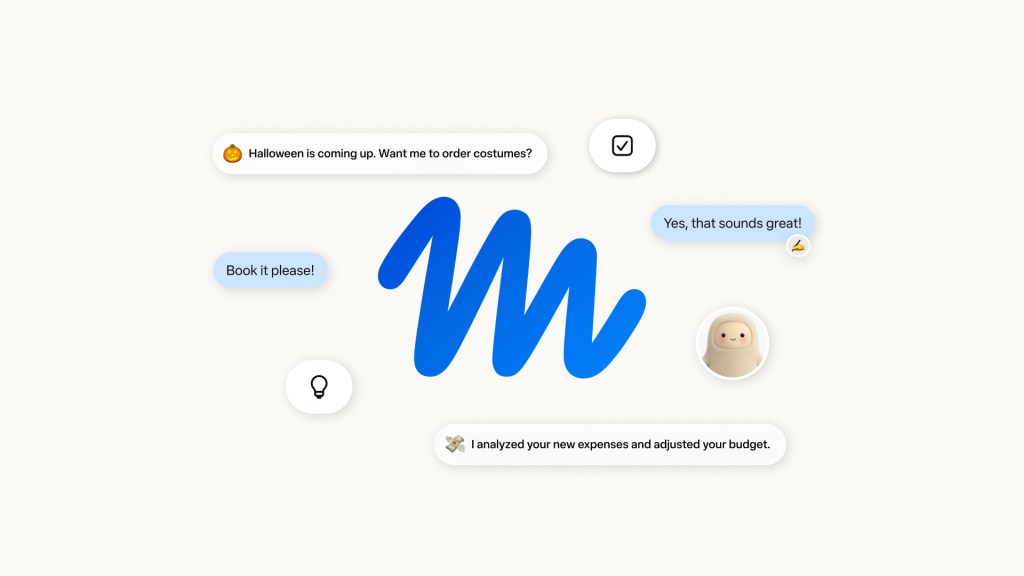
Meta has introduced Muse, a personal AI agent that can carry out everyday tasks for consumers in the United States. TechCrunch reports that the service connects to apps and services such as email, calendars, payments, health and fitness, smart-home tools, dining, shopping, music and events. The launch shifts Meta from an assistant that mainly answers questions toward software that can take actions on a user’s behalf.
According to Meta, Muse can send emails, book travel, lower bills, fill out forms, create plans, turn recipe videos into grocery lists, send invitations and make purchases. Checkout uses Link by Stripe, with Shopify’s Shop Pay and 1Password integrations planned for later. Users connect services one at a time. If a service has a public API, Muse can create a connection using credentials supplied by the user; without an API, it can interact through a browser.
Muse is powered by Meta’s Muse Spark model and is initially available on the web, in iOS and Android apps, and in WhatsApp chats. Meta says support for its AI glasses is coming. The service is free to start, but requires a payment card because subscriptions are part of the model. The announced paid plans are Power at $20 per month and Maximum at $100 per month. A usage meter will show remaining allowance and warn users when free use runs out.
The trust question is central because Muse can keep working after a user leaves the app and learn from conversations to make suggestions. Meta says the agent operates in a dedicated secure computer with its own browser, while a separate Sentinel agent is isolated at the system level. The company also claims Muse cannot see passwords or payment methods and that data is not shared with its advertising systems. Those are Meta’s claims; independent testing will be needed to assess them.
For users and makers, Muse shows why agentic AI is becoming a product and governance challenge. Connecting services can remove friction from travel, household administration and shopping, but expands the consequences of a wrong action or excessive permission. Approval controls, activity logs, editable memory and clear limits may help. Adoption will depend on whether people trust Meta with information that social apps previously did not need. The launch tests both what a consumer agent can do and whether useful automation can overcome a company’s privacy history.