Meta expands Muse to small businesses with new connectors
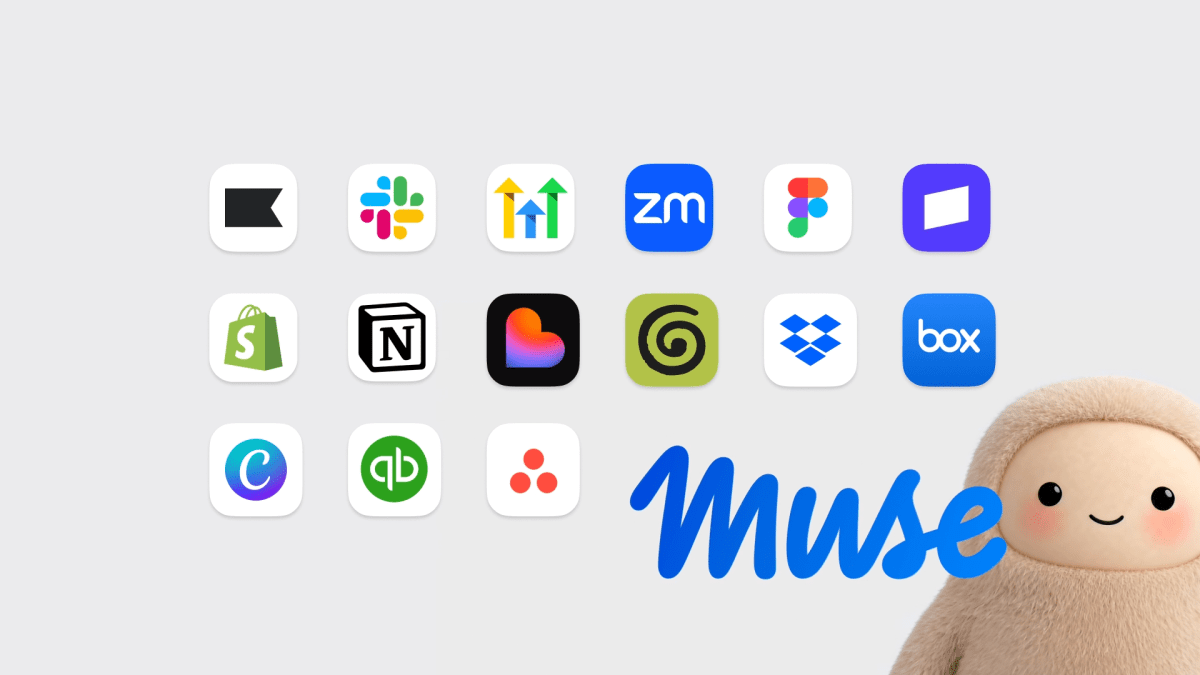
Meta is expanding its Muse personal AI agent to small businesses with a new set of skills and connectors. The company announced Muse for Small Business on September 29, 2026, in an update published at 09:30 UTC and revised later that day. The feature is part of the existing Muse experience rather than a separate business application. Muse was previously introduced for consumers in the United States and Canada; the new announcement applies the same agent to business workflows.
The update connects Muse to tools that small companies already use. Meta lists Asana, Box, Canva, Dropbox, Figma, Granola, HighLevel, Intuit QuickBooks, Klaviyo, Lovable, Notion, Shopify, Slack, Stripe and Zoom, alongside Facebook and Instagram business accounts. A business can connect Instagram professional analytics, Facebook Pages and Meta advertising accounts. Muse can then work with information about a company’s products, brand voice, storefront, books and customer records. Meta also says teams can build custom connectors for services that are not in its catalog.
Meta presents several examples: asking Muse to analyze sales, campaigns and social activity, make a growth plan, review financial performance, identify unusual expenses, draft a campaign or flag emails that need a reply. These examples describe the workflows Meta wants to enable, not an independent assessment of how reliably the agent performs them. The company says nothing will be published, sent or spent without the user’s approval. That boundary matters because the agent can work in the background and can use information from several connected services.
The launch gives Meta a more direct position in software for small-business operations, a market where Microsoft, OpenAI and specialist platforms already compete. Reuters and Axios reported the announcement as part of Meta’s effort to turn its large AI investment into business revenue; Reuters also cited Sensor Tower’s estimate of about 2.8 million Muse downloads in its first two weeks. That figure is an external estimate for the broader consumer app, not proof of business adoption.
For owners, the practical benefit is less repeated copying between tools and more context in one assistant. The trade-off is that every connector increases the importance of permissions, data handling and review. Muse for Small Business is a concrete step toward connected AI operations, but Meta’s examples and partner feedback are early evidence rather than a guarantee of savings, accuracy or safe automation for every company.