Netflix reveals $587 million price for InterPositive AI deal
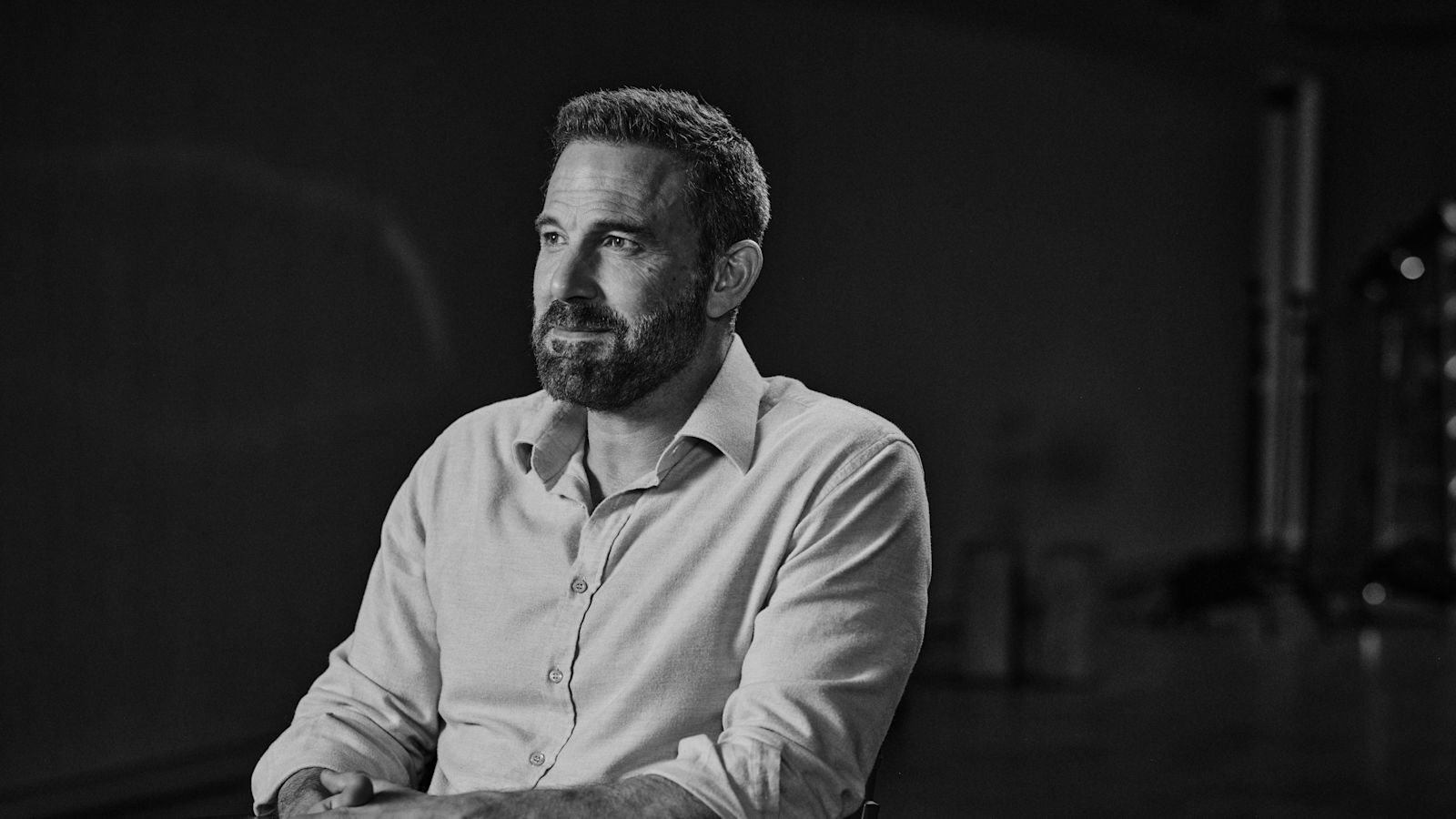
Netflix has revealed the price it paid for InterPositive, the AI filmmaking company founded by Ben Affleck. In a quarterly filing submitted on July 17, Netflix says it completed an acquisition in March for approximately $587 million in cash. The filing does not name the acquired business, but the timing matches Netflix’s acquisition of InterPositive, which it announced on March 5. The financial terms were not disclosed at the time, making the cash figure the new information.
InterPositive was founded by Affleck in 2022 to develop AI tools specifically for film production. Its entire team joined Netflix, while Affleck became a senior adviser. The company built its first model using a proprietary dataset filmed on a controlled soundstage. According to Netflix, the system was trained to understand visual logic and editorial consistency, helping production teams address problems such as missing shots, background replacements and incorrect lighting. InterPositive presents the technology as focused on filmmaking techniques rather than synthetic performances.
That distinction matters in an industry where generative AI has intensified concerns about jobs, likeness rights and training data. Netflix and Affleck say the tools are intended to preserve creative intent and keep decisions with artists. That remains a promise rather than a demonstrated outcome. Neither the filing nor the original announcement provides a rollout schedule, identifies which productions will use the tools or explains how consent and rights will be handled in practice.
The price is a strategic signal. Netflix is not merely licensing a general-purpose model; it is bringing a specialised team, proprietary production data and a filmmaking workflow in-house. Spending $587 million suggests that domain knowledge, usable controls and trusted integration can be as valuable as raw model capability. For AI makers, it is another sign that the most commercially useful systems may live inside existing professional tools rather than as standalone chatbots.
For filmmakers, the potential benefit is practical: difficult fixes could require fewer reshoots, less manual post-production and lower costs. The same efficiency raises harder questions about which roles change or disappear. Viewers will not see an immediate product change; the effects are more likely to appear behind the scenes. The real test will be whether Netflix can turn the acquisition into tools artists willingly use, with safeguards strong enough to support its claim that AI will expand creative choice instead of quietly reducing creative work.