OpenAI introduces ChatGPT Images 2.5 with faster, more consistent editing
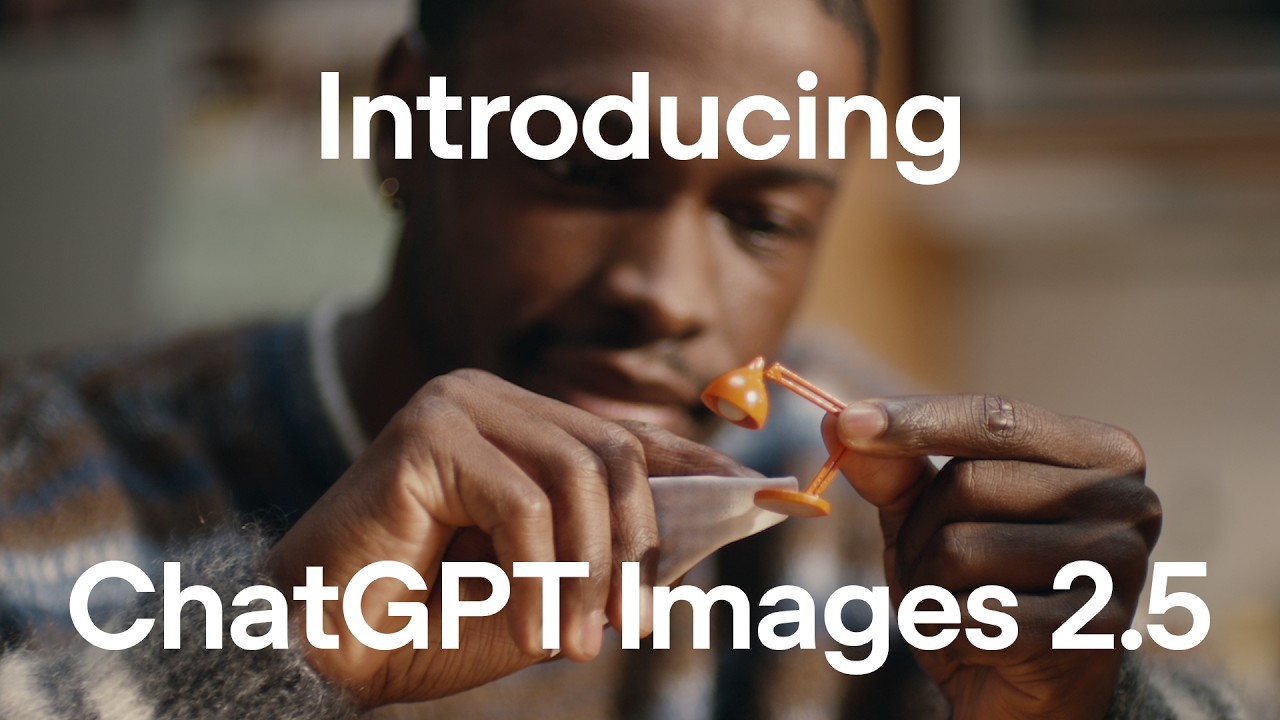
OpenAI has introduced ChatGPT Images 2.5 in a short product video published on September 8, 2026. The company presents the update as a faster and more capable image-creation experience inside ChatGPT. The announcement highlights four changes: faster image generation, improved visual fidelity, more consistent details across multiple edits, and comment-based tools that let users change only the part of an image they want to revise.
The source video does not publish a technical model card, benchmark table, price change or separate API specification. It is therefore safest to treat the announcement as a product update to the ChatGPT experience, not as evidence that every underlying capability has been independently measured. OpenAI’s wording says the results should look more natural and recognizable, but the video does not define a numerical quality target or explain how the company evaluated that claim.
The focus on editing is significant. Generating a first image is only one step in a real creative workflow. A designer, marketer, teacher or maker usually needs to adjust a subject, repair a detail, place text, change a composition or produce several variants while keeping the rest stable. If ChatGPT Images 2.5 can preserve more of the original image during those revisions, users may spend less time rebuilding a result after every small change. That is an expected workflow benefit, not a guarantee of performance in every case.
Comment-based edits also suggest a lower-friction interface. Users can describe the intended change in ordinary language instead of learning a specialised editing system. This could make visual iteration more accessible to people who are comfortable explaining an idea but not operating professional design software. At the same time, natural-language control does not remove the need to inspect faces, text, logos, hands and factual details before an image is used publicly.
For creators and companies, the release strengthens the position of image generation as a production tool rather than a novelty feature. Faster iteration can help with storyboards, campaign drafts, product concepts and social assets, while consistency matters when a series needs to share characters, layouts or brand cues. The practical question will be whether those improvements hold up on ordinary inputs and long edit chains. OpenAI’s video establishes the direction of the update; wider testing and clearer technical documentation will determine how dependable it is in professional work.