OpenAI introduces dots, always-on agents in ChatGPT
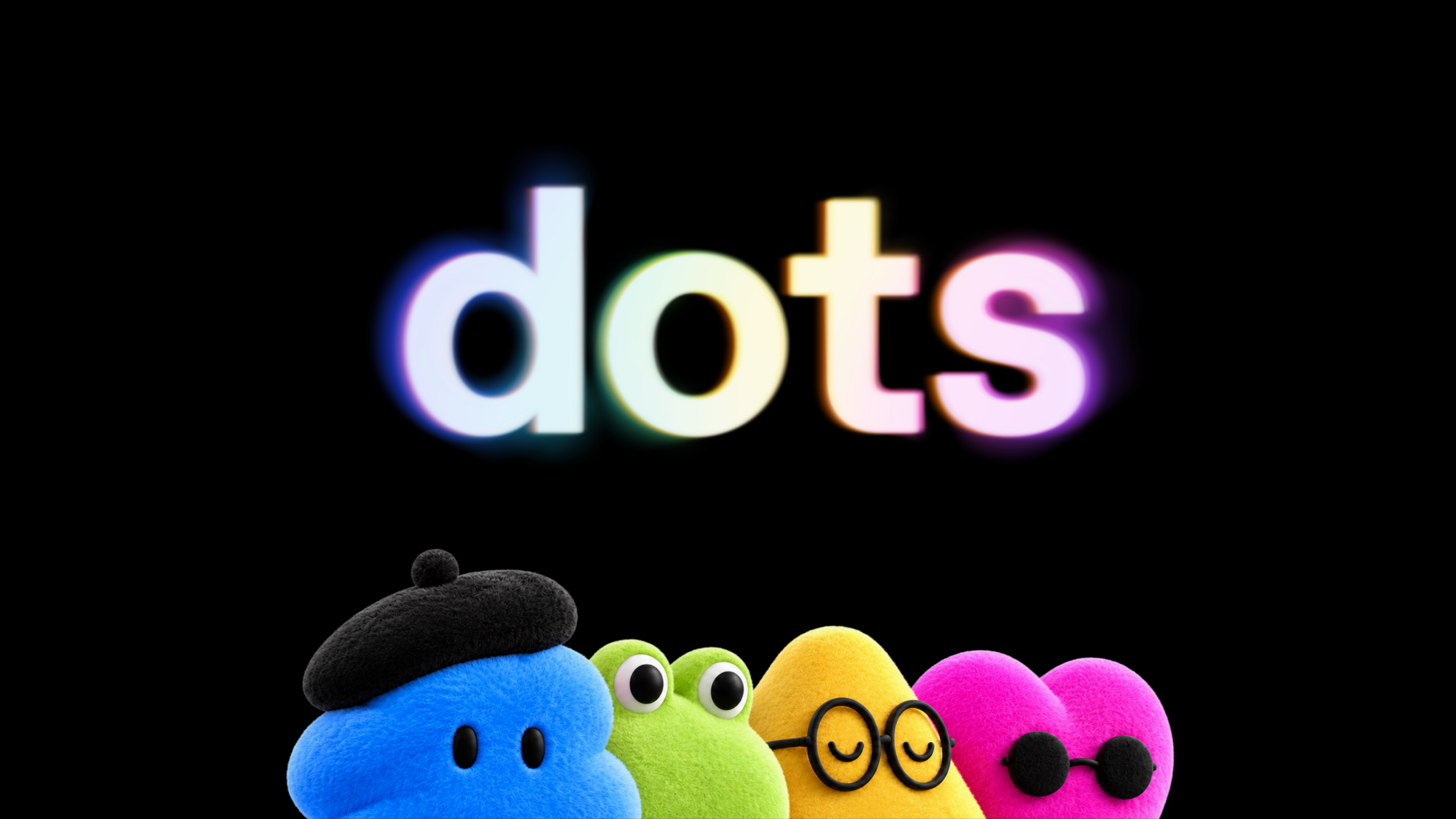
On September 29, 2026, OpenAI introduced dots, always-on agents that can keep working toward a user’s goals between ChatGPT conversations. The company describes a dot as a personal assistant that can take responsibility for ongoing work, remember context and return to the user when it needs a decision. The launch was announced at OpenAI’s DevDay and is now documented in the company’s product and Help Center pages.
Each dot runs on GPT-6 Astra and has its own cloud computer and browser. OpenAI says its plugin ecosystem connects dots to more than 4,000 apps. Users can reach them in ChatGPT on desktop, web and mobile, and connect them to Slack and Microsoft Teams. A dot can continue several projects in the background, such as investigating recurring product feedback, preparing a draft or updating an analysis as new information arrives. These examples describe OpenAI’s intended uses; they are not evidence that every workflow already works reliably.
OpenAI is beginning the rollout to Pro and Business Premium customers in eligible markets. The first dot is included with those plans, while Enterprise, Education and Healthcare customers can try a beta after an administrator enables it. OpenAI’s Help Center says Pro access is initially unavailable in the European Economic Area, Switzerland and the United Kingdom. Conversations with a dot do not count toward ChatGPT usage limits, but work it starts in Codex or ChatGPT Work follows the normal limits for those products. OpenAI says deeper-work allowances will apply and are extended during the first month after launch.
The company says users can connect apps, set custom rules, follow a dot’s activity and review consequential work. Its background “proactive research” is limited to read-only access, according to OpenAI; a personal computer stays separate unless the user explicitly connects it. OpenAI also warns that dots can make mistakes. Specialist dots for defined company roles are in early pilots, with Microsoft Agent 365 integration in development.
The launch signals a move from assistants that mainly answer prompts toward software that retains context and acts between prompts. That could reduce repeated setup for ongoing work, while making permissions, monitoring and review more important. The feature’s initial plan and regional limits also mean that access is not yet universal.