OpenAI launches ChatGPT Wallet for user-approved agent purchases
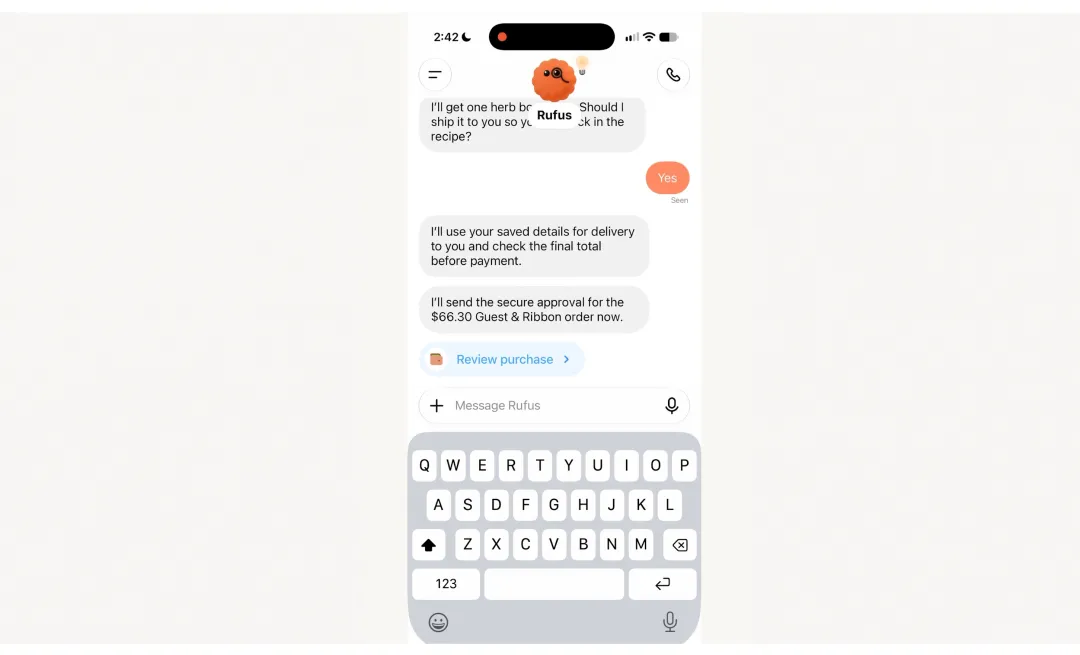
OpenAI introduced ChatGPT Wallet on 13 November, giving its personal AI agents, called dots, a way to complete purchases after the user approves payment. The service was built with American Express, Mastercard and Visa. Its initial rollout is limited to eligible ChatGPT Pro subscribers in the United States who are at least 18 and hold a supported US-issued card.
The process starts with adding a card through a secure setup form. Before a purchase, the user checks the merchant, items, total and selected card, then authorizes payment with a biometric check such as Face ID or a fingerprint. According to OpenAI, the payment network supplies substitute payment details, keeping the actual card details away from both the agent and the merchant. Existing card rewards and protections for eligible disputes remain attached to the selected card.
Availability needs careful reading. OpenAI's help documentation says Wallet works in conversations with a dot and is rolling out gradually, so eligibility does not guarantee immediate access. It is unavailable in ordinary Chat, Work or standalone Codex conversations. Users also need a US billing address. No European launch date is included in the announcement.
For shoppers, the change connects product research with checkout while retaining a separate approval step. Reuters also reported the launch and its requirement to authorize every purchase. The practical distinction is between asking an assistant to recommend a product and allowing it to submit an actual payment.
Businesses have work to do as well. OpenAI released a Commerce Partner Playbook covering product information, agent access and payment compatibility. The company warns that websites or fraud systems may block or decline agent purchases. Its help guidance also distinguishes approval from a confirmed order: customers still need to check the merchant's confirmation.
OpenAI describes spending limits, permitted purchase categories and advance authorization as future capabilities. The launch therefore offers a narrower arrangement: an agent can prepare and complete an approved purchase, while the person retains control over each payment. Its broader significance is a concrete test of whether shopping agents can work reliably with existing retailers and payment infrastructure.