OpenAI shows an AI chemist can improve a real lab reaction
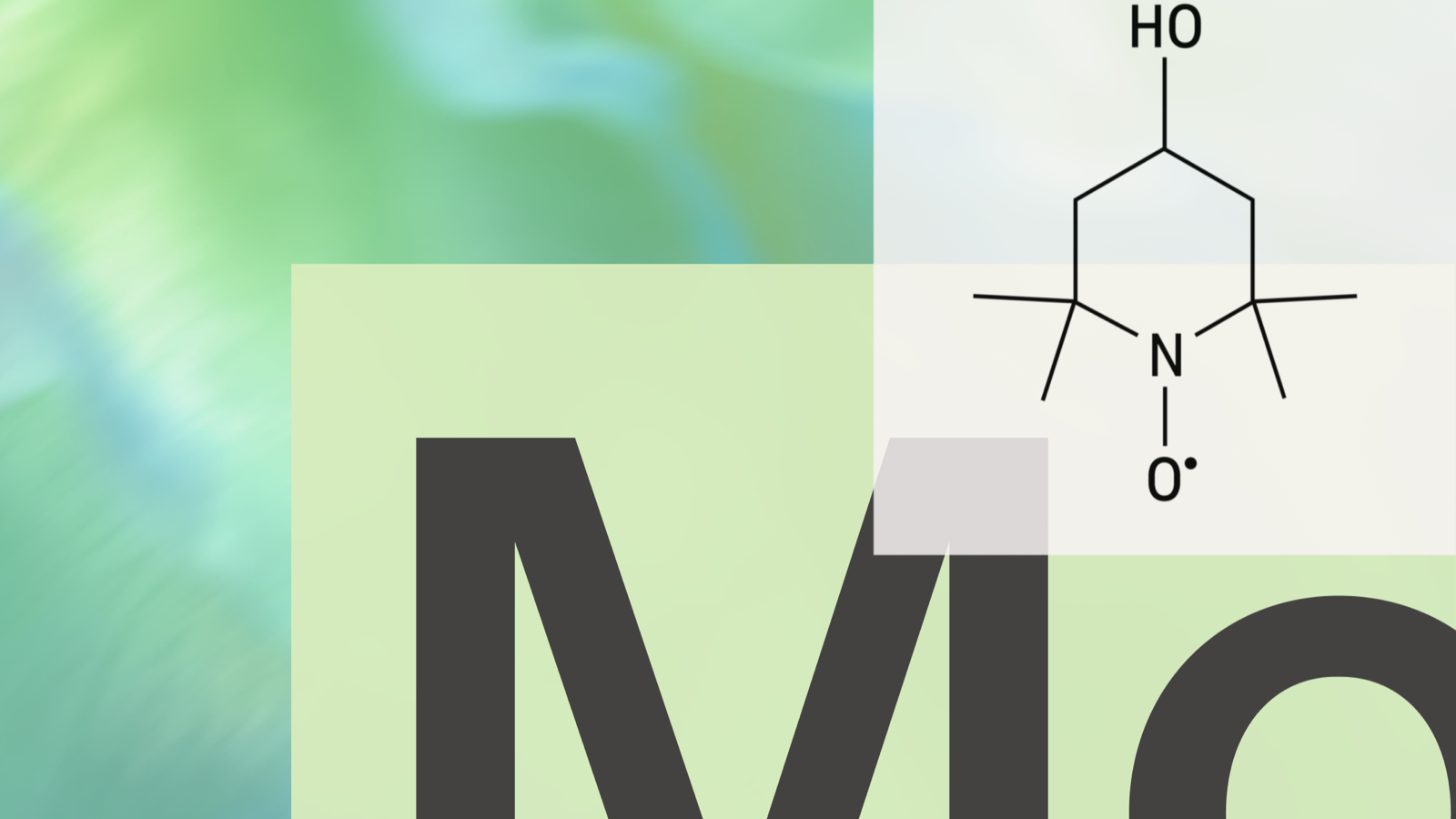
OpenAI has published new research showing that a near-autonomous AI chemistry system helped improve a difficult reaction used in medicinal chemistry. The work, published on June 17, 2026, was done with Molecule.one, whose Maria platform combines chemistry AI with a high-throughput laboratory.
The project focused on Chan-Lam coupling, a reaction chemists use to create carbon-nitrogen bonds in drug-like molecules. OpenAI says GPT-5.4 was connected to Maria and given an open-ended goal: find a way to improve one of several important reaction classes. The system reviewed literature, generated research proposals, helped design experiments, analyzed results and suggested follow-up experiments. Human chemists still selected the proposals to test, corrected some experimental details and validated the final result.
The strongest proposal identified TEMPO, and later a cheaper related additive, as a way to improve the coupling of primary sulfonamides with boronic acids. That matters because sulfonamides appear in many medicines, but this particular reaction has often produced low yields. OpenAI reports that optimized conditions improved measured yields for 88 percent of tested boronic acids and 83 percent of tested sulfonamides. Bench-scale validation by chemists confirmed higher yields for 11 of 14 substrate pairs.
The important point is not that AI has replaced scientists. It has not. The system depended on expert steering, a specialized lab, safety controls and human judgment. But it did more than summarize papers or suggest a single idea. It moved through a real research loop: hypothesis, experiment, data analysis and refinement.
For AI users and businesses, this is a concrete signal that frontier models are moving into physical-world workflows. In drug discovery, agriculture, materials and manufacturing, value often depends on making experiments faster and cheaper without losing scientific rigor. If systems like this become reliable, companies may use AI not only to write reports or code, but to help decide what to test in the lab next. The next question is whether independent labs can reproduce the result and whether the method generalizes beyond this reaction.