Outer Bio trains AI on living human skin to speed up skincare discovery
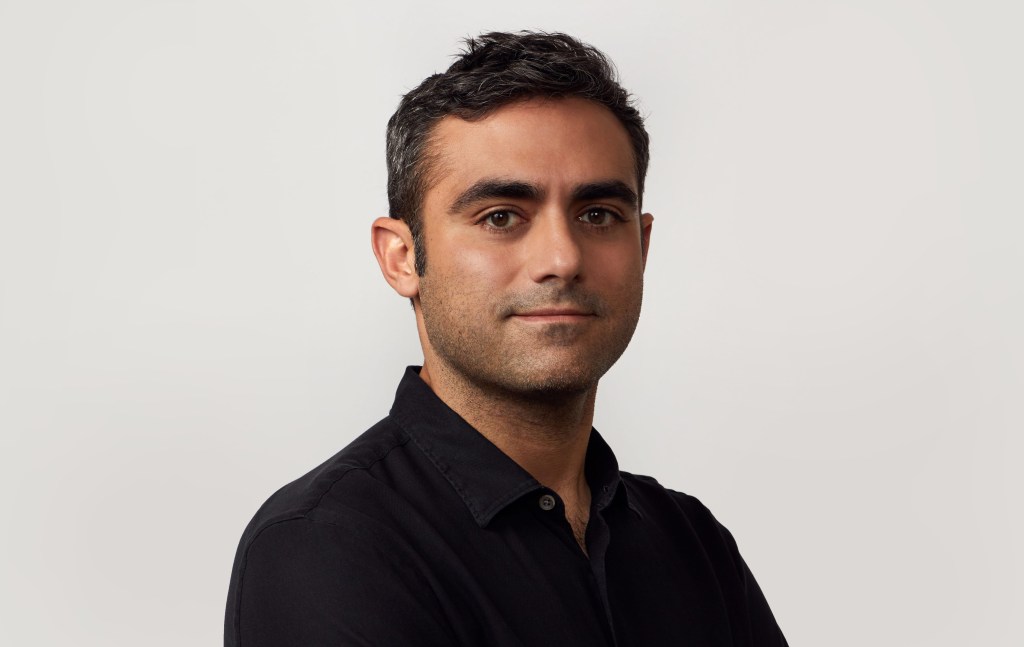
Outer Bio, a biology and AI startup co-founded by Michael Polansky, is building a discovery system that combines machine learning with human skin kept alive outside the body. TechCrunch reported on August 21, 2026 that the company can maintain discarded skin from surgeries for about a month, giving researchers a longer window to observe how tissue responds to chemicals and environmental stress.
The company says the samples come through nonprofit and commercial tissue suppliers, with institutional review board oversight and documented donor consent. The tissue is de-identified before Outer Bio receives it. Its support system supplies nutrients and removes metabolic waste while preserving the structure and several molecular programs found in freshly obtained skin. Outer Bio’s own website describes the platform as full-thickness human skin, including epidermis, dermis and immune-associated cell types, maintained for roughly four weeks.
That extra time matters because many conventional ex vivo skin tests last only days. Longer studies can follow processes such as inflammation, pigmentation, collagen remodeling, barrier repair and the response to UVB damage. The aim is not to heal the tissue or provide a medical treatment. It is to create a more informative experimental model for testing potential ingredients and understanding skin biology.
AI is used in a feedback loop. A model predicts which untested compounds might affect a particular skin function. Researchers test selected candidates on living tissue, measure the results and feed those observations back into the model. Polansky told TechCrunch that the company now generates a new candidate roughly every six weeks, compared with a slower brute-force approach in its earlier work. Those figures are company claims, not independent performance benchmarks.
Outer Bio currently focuses on cosmetic ingredients rather than approved drugs. It plans to license or sell promising ingredients to beauty and pharmaceutical companies, which would still need to handle formulation, manufacturing, safety testing and commercialization. For AI researchers and biotech companies, the development illustrates a wider pattern: models become useful when they are connected to proprietary, high-quality experiments rather than treated as substitutes for them. The approach could make early discovery faster and reduce some reliance on simplified cell cultures, but it does not remove the need for scientific validation, ethical tissue sourcing or human safety studies before a product reaches consumers.