Qwen open-sources Image 2.1 for transparent image generation and editing
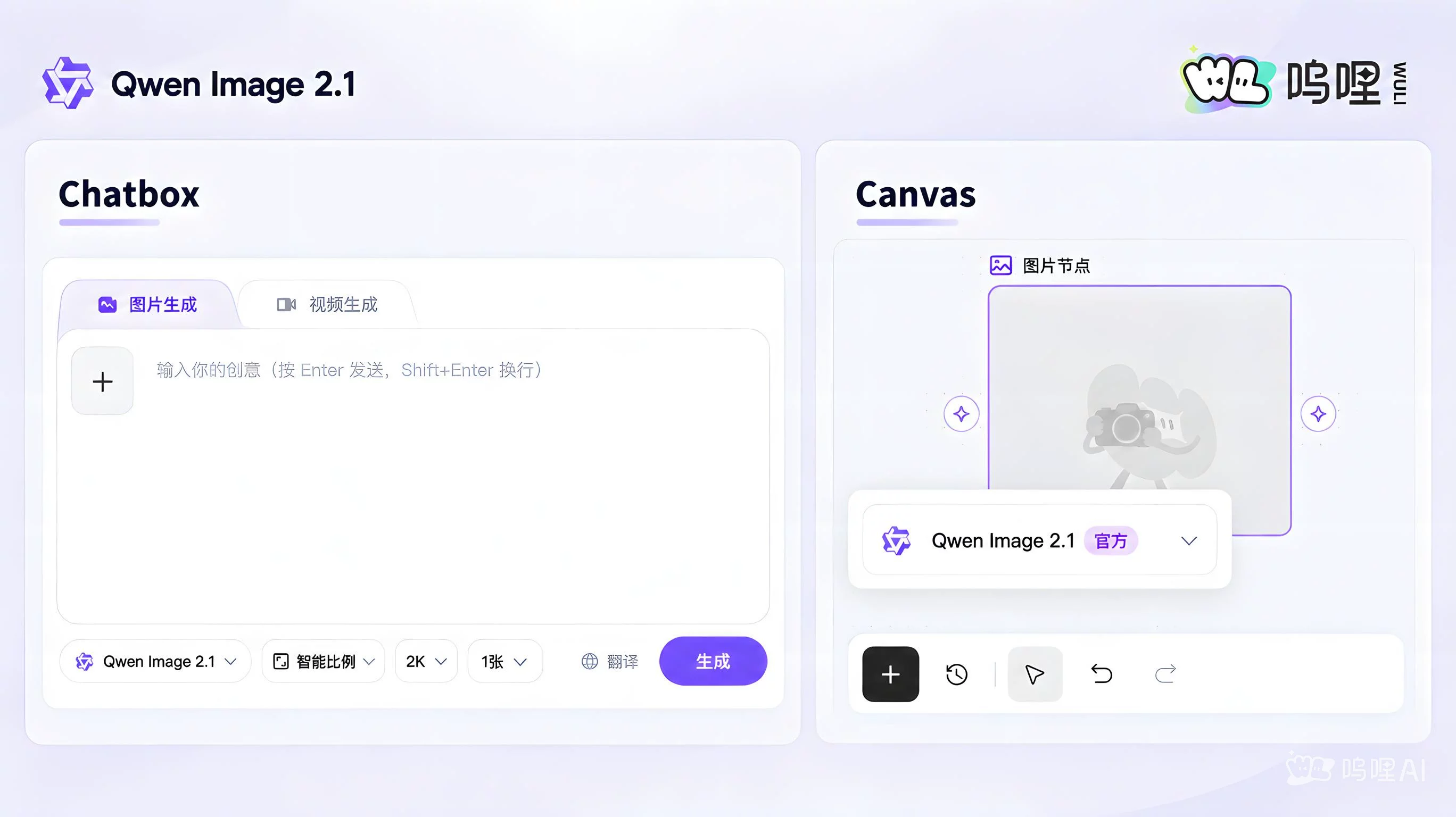
Alibaba’s Qwen team published Qwen-Image-2.1 on 20 September 2026 as an open-weight model for image creation and editing. It combines text-to-image generation with image-to-image editing instead of treating them as separate products. Its visual-generation component has 7 billion parameters and uses a 32-layer single-stream diffusion-transformer design. Qwen positions the release as a balance between quality, inference efficiency and cost; those are the maker’s claims, not an independent ranking.
The most visible addition is native transparency. The model can generate and edit RGBA images, extract subjects from photographs and preserve transparent layers. It accepts up to ten reference images for multi-subject composition. Users can indicate local changes with circles, painted annotations or masks, which makes the model relevant to product mockups, stickers, portraits, storyboards and other creative work. Qwen also says typography, portrait lighting and fine detail have been improved.
The weights are available through Hugging Face and ModelScope under Qwen’s Research License. That is an important distinction: free use is for research and evaluation, while commercial use requires separate permission. The official repository also points to prompt-rewriting checkpoints based on Qwen3.5-VL 9B for text-to-image and editing tasks. Diffusers, ComfyUI, vLLM-Omni, SGLang and LightX2V announced day-one support, so users do not have to wait for a single vendor application before trying the model.
Hardware remains a practical constraint. Qwen documents native 2K output, including 2752×1536 at a 16:9 ratio. PC Watch reports that the official unquantized weights are about 33.1GB; a ComfyUI-repackaged combination can be around 14GB. Qwen’s Qwen-Image-Bench comparison is a provider evaluation, not independent evidence that every workflow will match the examples. Developers still need to test speed, memory use, editing consistency and safety on their own hardware.
The release matters because open weights give makers and researchers more control over creative AI. They can inspect the model, run it through compatible local tools and build workflows around transparency, reference images and targeted edits without sending every input to a closed cloud service. The research-only licence limits commercial deployment for now, but the combination of a smaller visual component, broad ecosystem support and concrete editing features adds pressure to closed image platforms. It also gives creators a new option to compare locally, with the usual responsibility for rights, consent and review of generated or edited images.