Samsung brings ChatGPT and Codex to employees
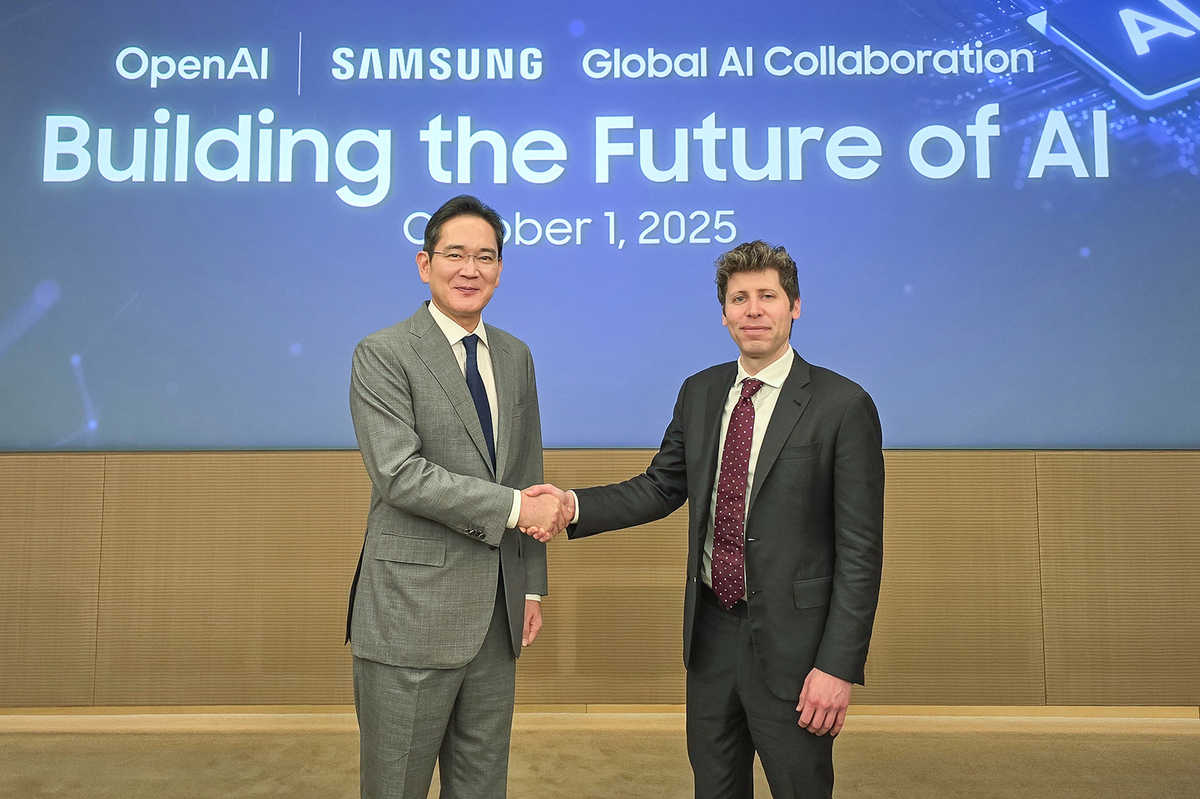
OpenAI published a new enterprise AI deployment on June 21: Samsung Electronics is making ChatGPT Enterprise and Codex available to large parts of its workforce. Under the agreement, all Samsung Electronics employees in Korea and all global employees in its Device eXperience division can use the tools for internal work. Seoul Economic Daily also reported the deal on June 22 in Korea, confirming the companies involved and describing it as one of OpenAI's largest corporate AI contracts.
The scale is what makes this more than another customer announcement. Samsung is not a small software team experimenting with a chatbot. It is one of the world's most important technology and manufacturing companies, with work that spans phones, consumer electronics, semiconductors, software, marketing and operations. Giving employees sanctioned access to ChatGPT Enterprise and Codex means generative AI is moving from side projects into the ordinary infrastructure of a global industrial company.
OpenAI says Samsung employees will use ChatGPT for knowledge work such as research, analysis, drafting, idea development and interpreting data. Codex is positioned not only for developers writing, reviewing and debugging code, but also for non-technical teams that want to turn ideas into internal tools, websites or automated workflows. That matters because it broadens the definition of who can build software inside a company.
The announcement also has a security angle. Samsung was one of the early examples of companies becoming cautious after employees used public AI tools with sensitive information. This deployment suggests the next phase: not banning AI outright, but bringing it inside enterprise controls for data protection, access management and governance.
For AI users and companies, the signal is practical. Large employers increasingly want AI tools that are approved, monitored and useful across many functions. For makers, it shows why coding agents are becoming broader workplace tools, not just developer products. For the market, Samsung's adoption strengthens the idea that enterprise AI competition will be decided by trust, workflow integration and scale, not only by model benchmarks.