UK launches AI Biosecurity Lab with frontier-model support
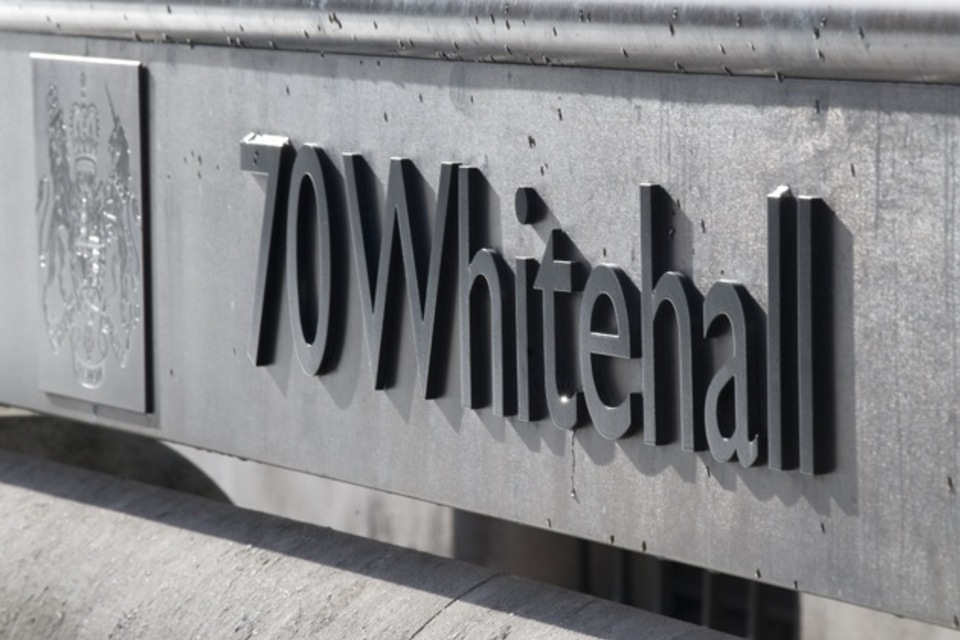
The UK government has announced the AI Biosecurity Lab, a new independent non-profit organisation intended to use frontier AI to detect biological threats earlier and speed up the development of vaccines, treatments and other medical countermeasures. The Cabinet Office published the announcement on 24 October 2026 as part of a wider national AI security and investment package.
The lab will receive £100 million in government funding. OpenAI has committed up to another £100 million in compute and model credits, together with trusted access to relevant models through its Rosalind Biodefense programme. Anthropic has committed up to £100 million in model credits, trusted access and technical support. Google DeepMind will work with the lab on research and biosecurity, while Basecamp Research will provide access to AI-biology models and expertise. These are commitments and planned partnerships, not evidence that a finished service is already operating.
The initial mission has two sides. AI could help public agencies and life-science organisations spot emerging threats, analyse biological signals and respond faster. The same increase in capability can also lower barriers to harmful biological work, which is why the lab is being created as part of a biosecurity initiative rather than as a general research centre. The government says the organisation will work with the UK Health Security Agency, the Animal and Plant Health Agency and the Defence Science and Technology Laboratory. The Medicines and Healthcare products Regulatory Agency is expected to contribute to preparedness and the regulation of AI-designed medicines.
The announcement matters beyond the UK because it links model access, biological science and public-sector risk management in one institution. Reuters reported the package as roughly £600 million of AI-related security and capability investment, while the government says the broader plan also strengthens the AI Security Institute and cyber-defence programmes. That makes the news a policy and infrastructure decision, not a new consumer product.
For AI users and companies, the key question is whether the lab can turn privileged model access into measurable early-warning, prevention and medical-response capabilities. Its independence, scientific oversight, data governance and public reporting will matter as much as the funding. The government has not yet published the advisory committee or operating timetable, so the next meaningful milestones will be the lab’s leadership, research programme and evidence that the safeguards work in practice.