YouTube adds Gemini-powered tools across the creator workflow
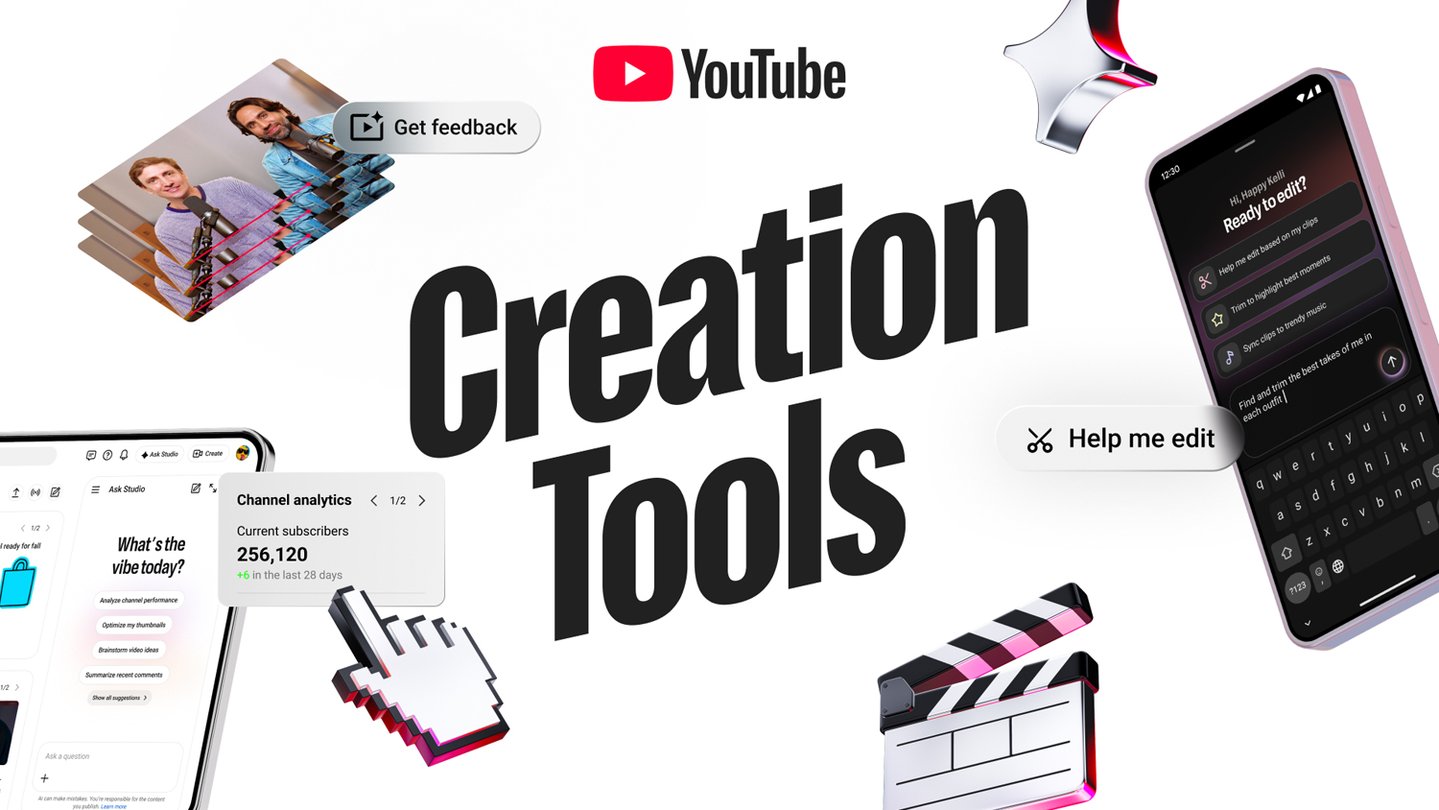
YouTube has announced a new set of tools that brings AI further into the work of running a channel. In a YouTube Blog post dated September 23, 2026, the company described updates for YouTube Studio, Shorts and the YouTube Create app, alongside new protections for creators’ faces and voices. The announcement came from Aparna Pappu, YouTube’s vice president, as part of the company’s Made on YouTube event.
The most direct AI change is a conversational editing assistant powered by Gemini. It is coming to Shorts and YouTube Create and will let a creator start from a suggested prompt or their own brief. The assistant can propose a first draft, reorder frames, trim pauses, synchronise music to a beat and suggest further edits. YouTube says creators will be able to move between the assistant and manual timeline editing, so the feature is designed as an iterative partner rather than a fully automatic publishing button.
YouTube Studio is also adding new Insights and Research destinations to help creators examine past performance and find unusual videos that could inspire a next idea. A feedback feature can review a draft and offer personalised advice on pacing, structure and storytelling. Creators can generate channel-matched thumbnails, while dynamic thumbnails can show up to three options to different audience segments. YouTube says creators have run more than 40 million title and thumbnail A/B experiments since that feature launched in 2024, but that figure is a company-reported usage statistic rather than evidence that every channel will see better results.
The announcement includes non-editing changes too. YouTube is testing opt-in AI comment moderation that learns a channel’s preferred tone. It is also expanding likeness detection: later in 2026, speaking-voice detection will be combined with facial detection, and the controls will become available in the mobile app.
For creators, the practical importance is less about one model and more about consolidation. Research, editing, packaging and moderation are moving into the platform where the audience already is. That may reduce tool switching, but it also gives YouTube more influence over creative decisions and channel operations. The features are announced as new or coming, so availability, regional access and the amount of human review still need to be checked in practice.